Going to Japan with the Governor

Serving as long-term mission volunteers at ARI. Friendship. Farming. Inspiration.

Category: UMC

  • ARI Sunday

    ARI was established by the United Church of Christ in Japan (UCCJ). While it is now more ecumenical (one of the participants is Muslim) it retains its Christian character. The ARI community frequents several area churches associated with ARI staff members. Because the Japanese population is about 1% Christian, the churches tend to be small.

    The church options.

    We have attended three churches so far. The Nishinasuno church is the largest. It is a UCCJ church. The service is bilingual. We call it “Masa’s church” because the ARI Farm Director Masa drives the bus.

    Nishinasuno church.

    Today was ARI Sunday at Nishinasuno, which means an ARI participant gave the sermon and another gave testimony. The ARI community turned out in support.

    ARI Sunday notice.

    The church community fed us with a curry lunch after the service.

    Nishinasuno church.

    The most amusing part was during the closing announcements, where an earnest woman gave the entire congregation instructions, button by button, on how to use the new toilets (she projected on a screen a diagram from the user’s manual). It was funny to listen to Masa translate the instructions into English.

    This helpful sign is not from the church, but from our local Starbucks. You get the idea.

    The other UCCJ church in the area is the Nasushiobara Church. We call it Jonathan’s church because it is where the ARI staff member serves as a missionary. On Sundays when he attends the service is bilingual.

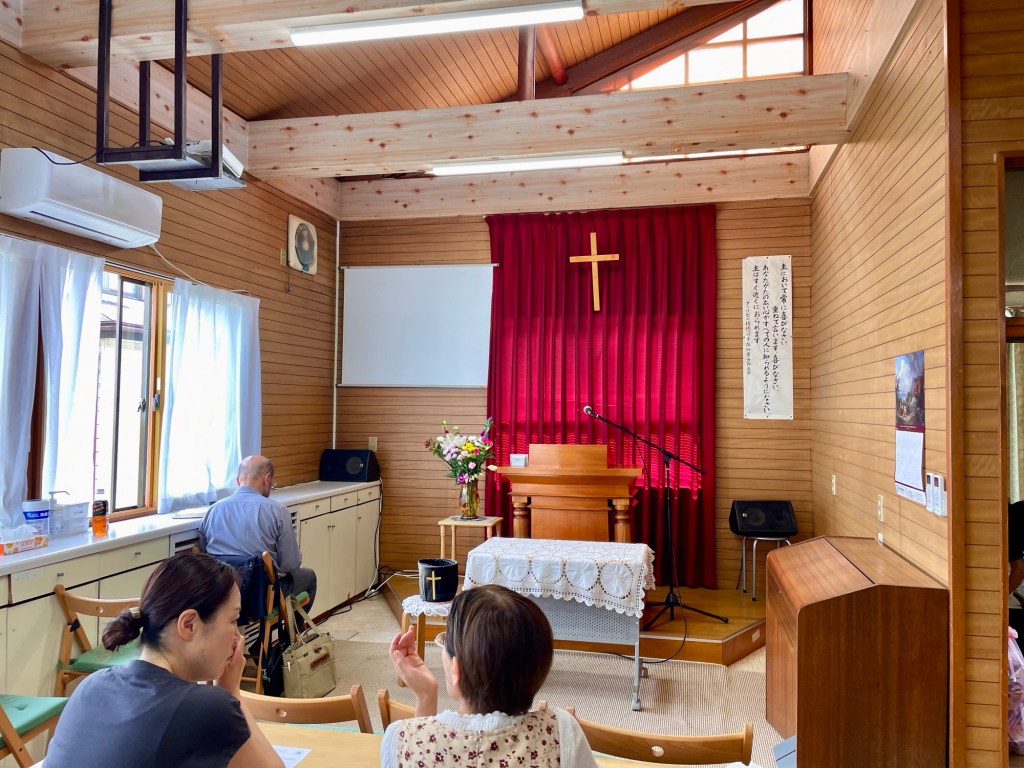
    Nasushiobara church.
    Nasushiobara church.
    Jonathan playing at church.
    Lining up for curry.
    The fourth Sunday is Curry Day! Curry is served after church.

    The third church is the Otawara Christian Church. It is affiliated with Conservative Baptist Alliance of Japan. It has an English service every week. We call it Uncle Timo’s church because ARI’s chicken wrangler is a leader there.

    Otawara Christian Church.

    Many of the congregants are alternative-language teachers (ALTs), foreigners who teach their native languages in the Japanese schools. We got a ride to church from Kamika, from Jamaica, who teaches English. Her teenage daughter Neveah is a community volunteer at ARI; she helps on the farm one day a week.
  • How did we get here? About “mission” and the United Methodist Church Mission Volunteers program.

    We are serving at ARI through the Mission Volunteers program of the United Methodist Church (UMC).

    First, a word about the words “mission” and “missionary”. When you hear those words, you might think only of proselytizing – one person actively trying to convert other person to a religious belief. Something like the 16th century priests accompanying the conquistadors throughout the Americas or the 21st century earnest young men in the musical comedy The Book of Mormon. That is not what we are talking about here.

    As John Wesley, the founder of the Methodist movement, famously said,

    “Do all the good you can,
    By all the means you can,
    In all the ways you can,
    In all the places you can,
    At all the times you can,
    To all the people you can,
    As long as ever you can.”

    That is the type of “mission” we are talking about here.

    There are many ways to look at mission work, but broadly speaking much mission work can be put into three categories.

    On one end, there are mission teams. These involve short-term projects where a team will (usually) travel to a site to perform a defined task. For example, each year our own Episcopal church sends a team of volunteers to Juarez, Mexico, to build a house for a family. A typical mission project lasts a few days, a week, or perhaps a bit longer. The UMC calls this Volunteers in Mission, or UMVIM.

    On the other end, there are missionaries who have a particular skill and work in a long-term role to help an underserved community. For example, a doctor may work in a clinic for years or decades. The UMC calls these people Global Missionaries.

    What we are doing falls in between – mission placements from two months to two years. The UMC calls us Mission Volunteers. A mission volunteer supports the work of an existing institution or program.

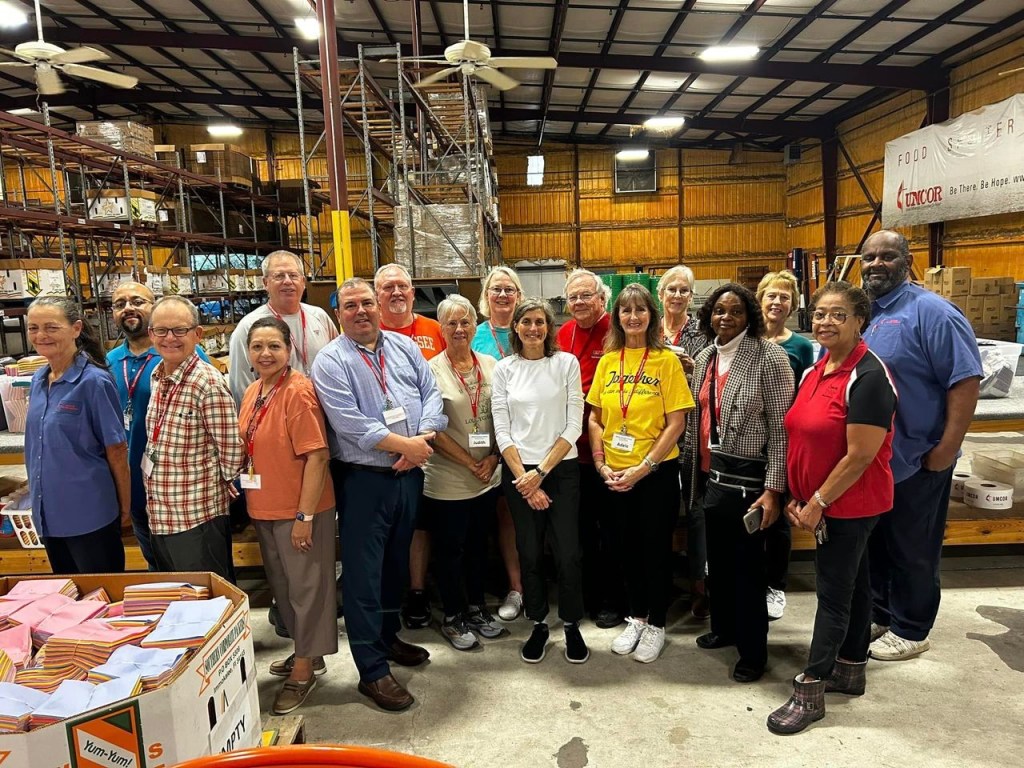
    Our UMC Mission Volunteers class during our training in Louisiana in 2024.

    This is Chrys’ fourth placement as a UMC Mission Volunteer. In 2023 she served three months working in the library and the huerta at Universidad Bíblica Latinoamericana in San José, Costa Rica.

    Chrys working in the huerta at Universidad Bíblica Latinoamericana in 2023

    Last year she taught English for three months at Colegio Inglés in Iquique, Chile.

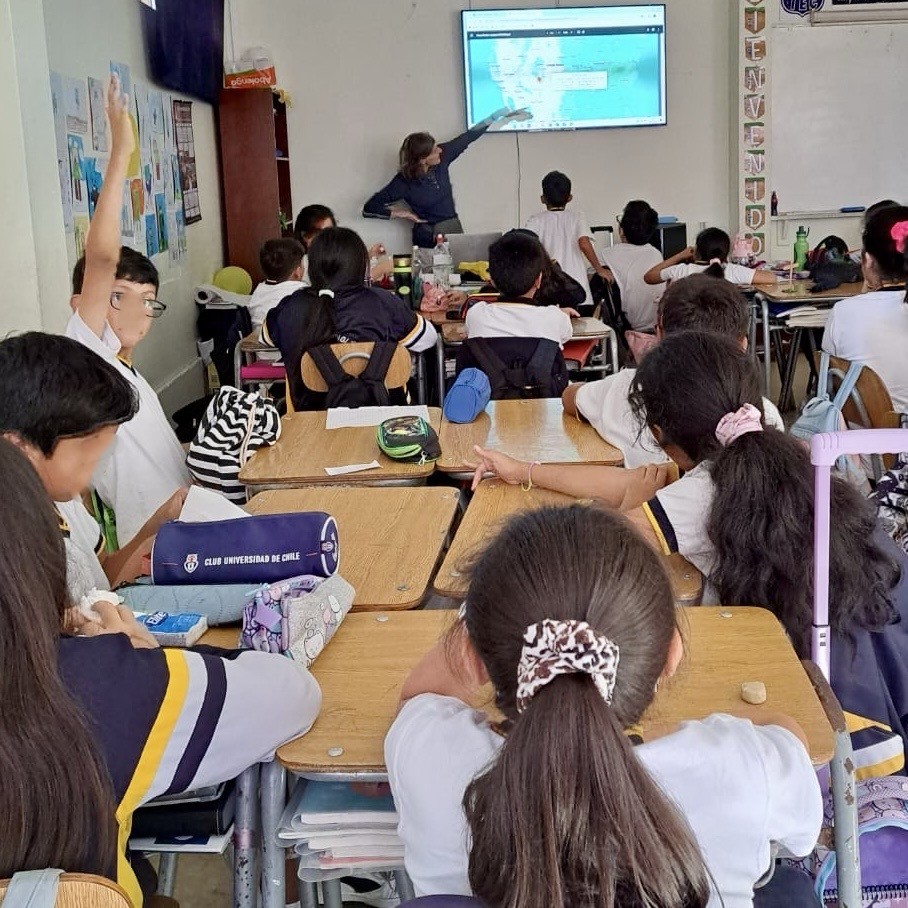
    Chrys teaching a class about being a mission volunteer during “John Wesley Week” at Colegio Inglés in 2024

    And earlier this year she taught English through the Manos Juntas mission in Rio Bravo, Mexico.

    Chrys outside Mano Juntas earlier this year

    This is Scott’s first placement.